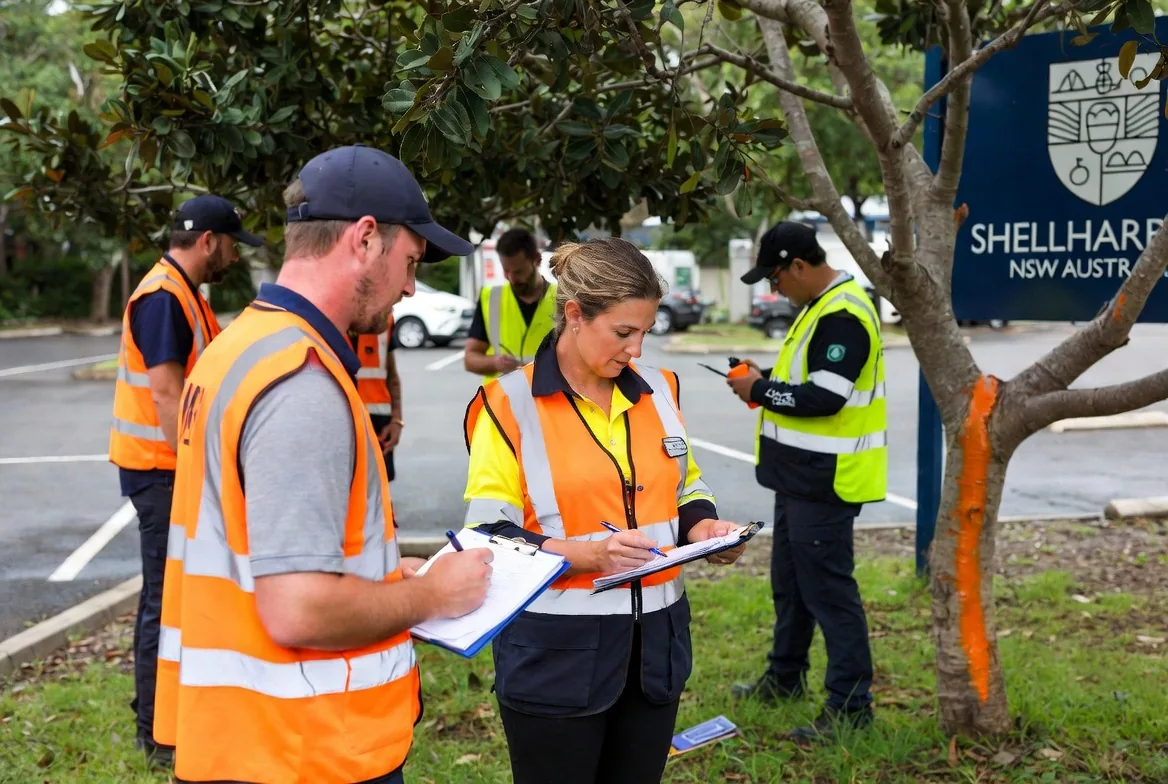
Dangerous & Difficult Tree Removal
Tight blocks between fences and pools mean tricky removals are lowered piece by piece with rigging, keeping powerlines, roofs and neighbouring yards untouched.
Learn more →Most trees here have nowhere to fall. We connect you with local crews who take them down in sections on ropes, so the pool, the fence and the neighbour's roof stay exactly as they were.
Shellharbour is a narrow strip of dense suburbia squeezed between Lake Illawarra, the Illawarra escarpment behind Albion Park, and a coastline that runs from Warilla Beach past Barrack Point and Shellharbour Village down to Bass Point Reserve and Killalea. Blackbutt Forest Reserve holds the last significant remnant of coastal plain forest in the Illawarra right in the middle of it (NSW Government). It is beautiful country for trees and a difficult place to remove one.
The blocks are small. Houses sit close to boundaries, and between the trunk and the street there is usually a colorbond fence, a pool, a carport, a service line and a neighbour's alfresco. Very little around here can simply be felled.
Call (02) 4214 4566 for a free, no-obligation on-site quote anywhere in the Shellharbour LGA.
This is the question worth answering first, because it is the one that makes a risky job stop feeling like a gamble.
A tree with no clear ground under it is not felled. It is dismantled from the top down, and the method is deliberate:
Coastal Shellharbour is a particular set of species in a particular set of conditions — sandy soils near the lake and the dunes, heavier clays inland toward Albion Park, and constant salt-laden wind off the water with the big weather arriving from the south-east.
Salt wind does something particular to coastal trees: it burns the windward side, the crown grows lopsided away from the weather, and the tree ends up with its weight sitting out over one boundary. That is worth looking at before a storm looks at it for you.
In NSW your own backyard tree is very likely protected. Shellharbour City Council manages private-land tree work through a Vegetation Removal Application (VRA).
Council's published guidance is that an application is generally required for a tree taller than 5 metres or with a trunk over 30cm in diameter, standing more than 3 metres from a house wall. Below those thresholds, and for trees within 3 metres of a house wall with a trunk under 30cm, an application generally is not needed. Removing dead wood and dead palm fronds from non-threatened, non-heritage species is also listed as not requiring an application — but Council is explicit that the same rules apply to dead trees as to living ones, so a whole dead tree is not automatically a free pass (Shellharbour City Council, Council FAQ).
A few things that catch people out:
The tree on the nature strip is not yours. Street, verge and nature-strip trees sit in the road reserve and are owned and managed by Shellharbour City Council. Report a damaged or dangerous one to Council rather than cutting it. Where a tree is tangled with power wires, Council directs residents to Endeavour Energy.
We are not Council, and policy changes. Confirm your particular tree on (02) 4221 6111 before booking work.
Tree work is one of the few trades where a bad decision on someone else's property becomes your problem. Three things are worth asking of anyone who quotes you, including the crews we send:
"Can I see your certificate of currency for public liability?" We ask every crew we work with to carry their own cover, and you should ask to see the current certificate before work starts. We are a referral service — we do not independently verify insurance, licences or qualifications, so make the check yourself.
"How are you getting it down?" A crew that can describe the rigging plan, the drop zone and the access has thought about your property. A quote with no method behind it is a guess.
"What happens to the mess, and is the stump included?" Both should be spelled out in writing before you agree to anything.
Right across the LGA — Shellharbour, Shellharbour City Centre, Shell Cove, Warilla, Barrack Heights, Barrack Point, Oak Flats, Mount Warrigal, Lake Illawarra, Flinders, Blackbutt, Albion Park, Albion Park Rail, Tullimbar, Dunmore and Croom. Suburb-by-suburb detail is on the Suburbs We Service page.
Nobody can price a tree honestly over the phone, and we would be careful of anyone who tries. Someone comes out, looks at the access, the drop zone and what is underneath, and gives you a figure and a method.
Call (02) 4214 4566 for a free, no-obligation on-site quote. If a tree is already down or leaning on something, say so when you call.
We ask every crew we work with to carry public liability cover — ask to see the certificate before work starts.
Rigging and sectional removals keep dense suburban blocks, fences and pools protected.
Lawns, garden beds and paving protected and left tidy with full clean-up after every job.
No-obligation, on-site quotes before any work begins.
Tight blocks between fences and pools mean tricky removals are lowered piece by piece with rigging, keeping powerlines, roofs and neighbouring yards untouched.
Learn more →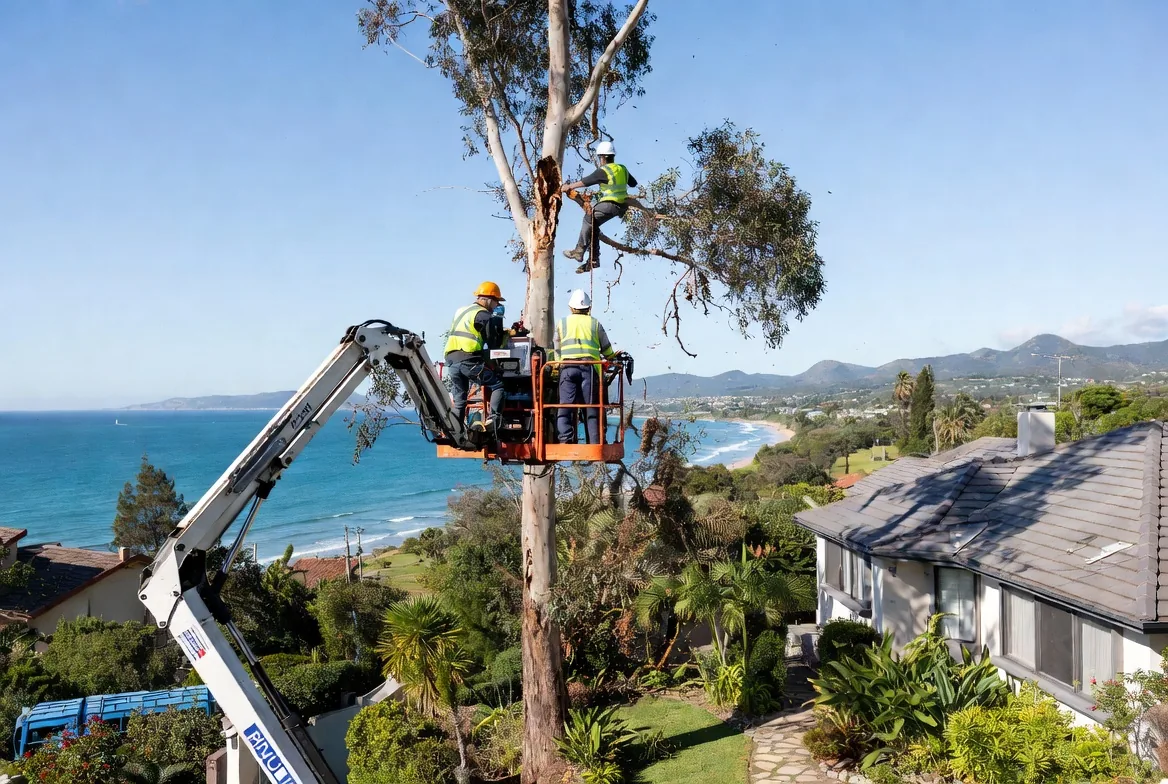
Full removals for dead, diseased or unwanted trees across Shellharbour's close-set streets, worked safely around sheds, carports and shared boundary fences.
Learn more →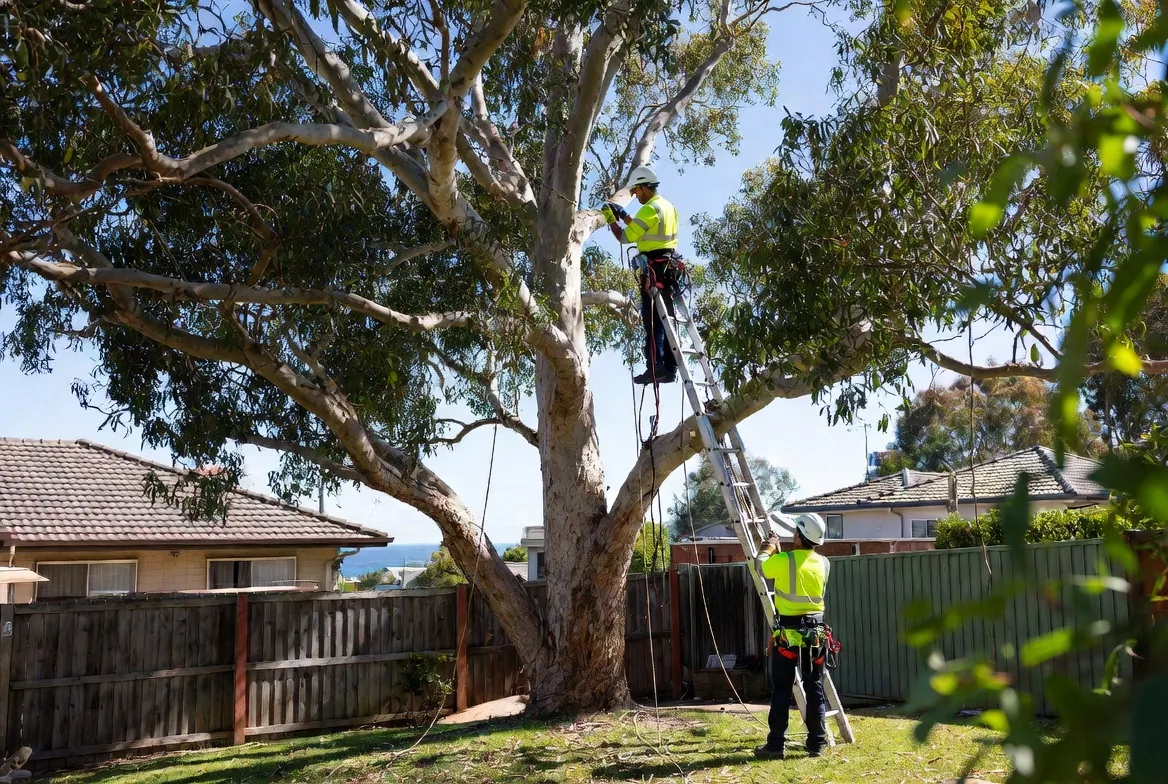
Careful crown thinning and deadwooding keeps salt-stressed Norfolk Island pines and coastal banksias healthy without overreaching into a neighbour's yard.
Learn more →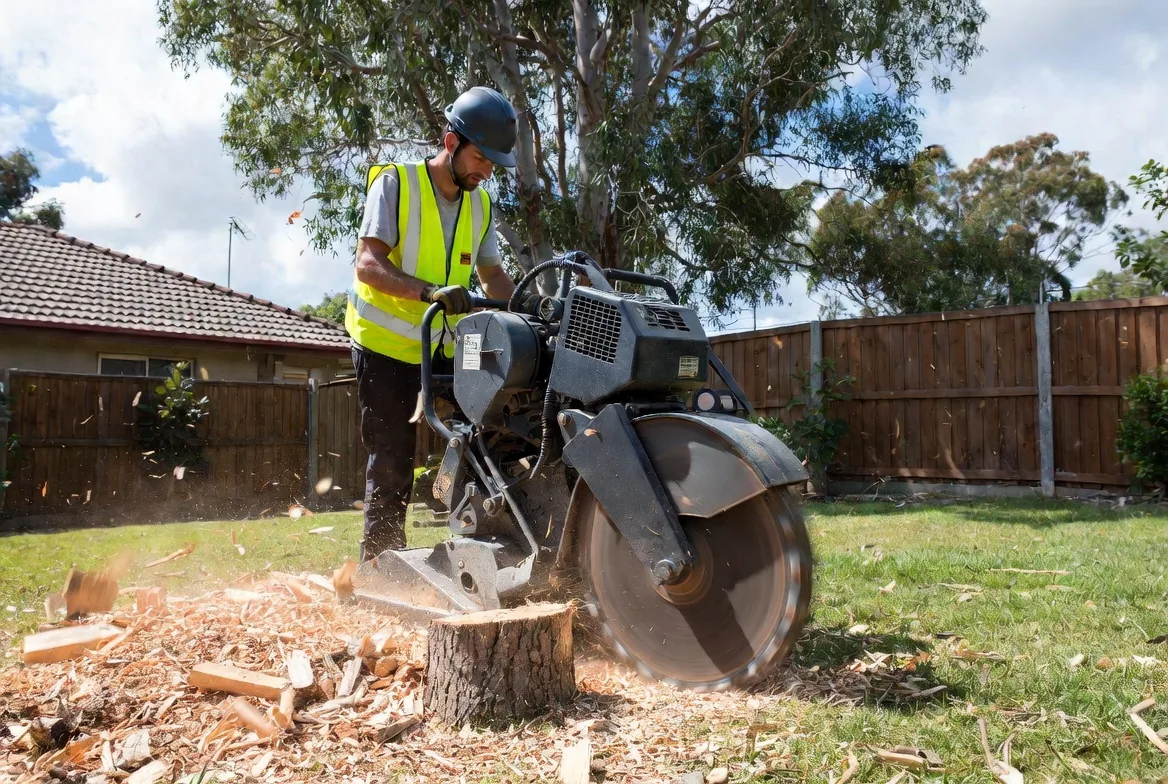
Stumps ground back below turf level so pools, driveways and tight side-access yards are left clear and level, not just cut flush.
Learn more →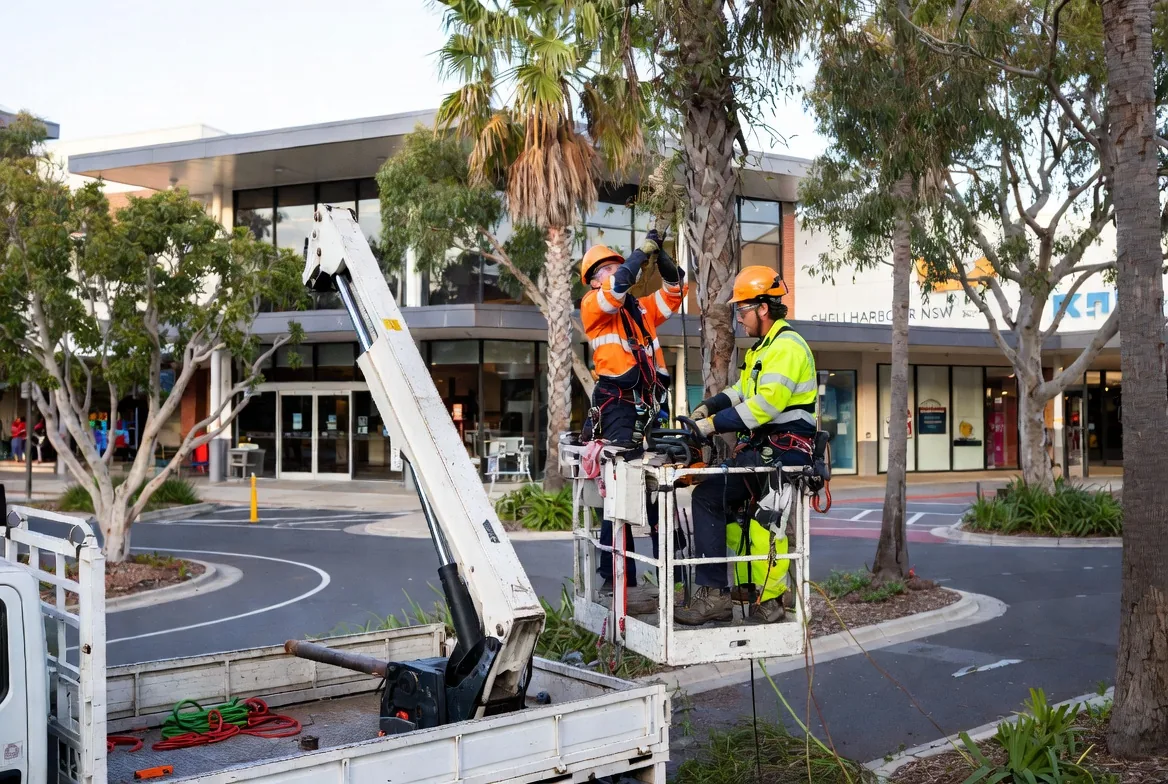
Cocos and other coastal palms are dismantled top-down in sections where a straight drop would reach a roofline, pool or powerline.
Learn more →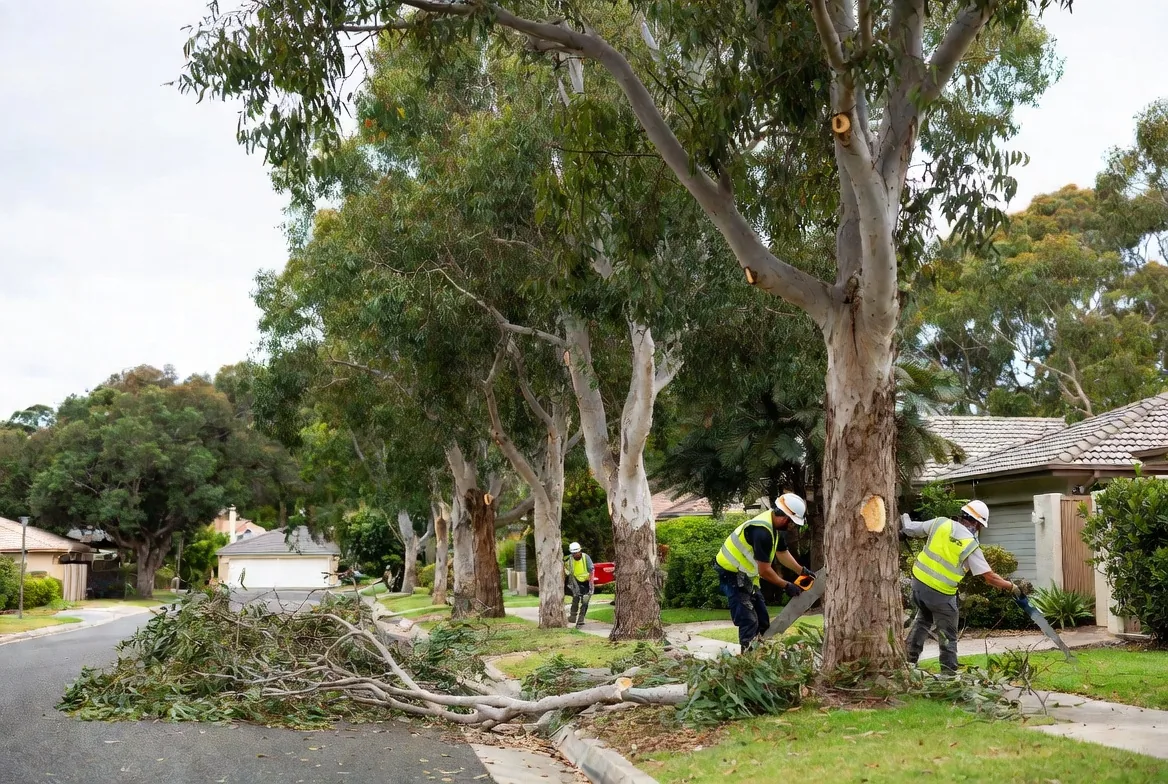
Dense coastal hedges and screening trees along shared fence lines trimmed square and tidy, protecting garden beds and neighbouring property.
Learn more →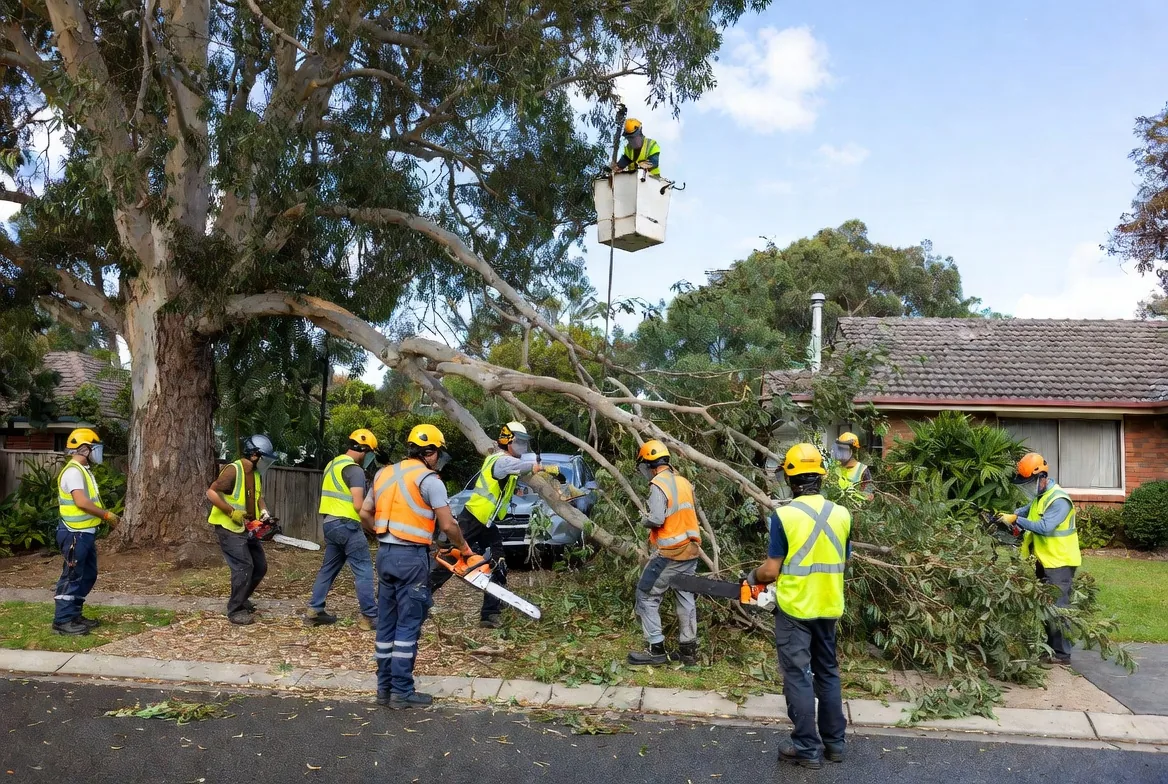
Fast response when a southerly blows a limb onto a fence or roof, clearing debris safely from tight yards before it becomes a bigger hazard.
Learn more →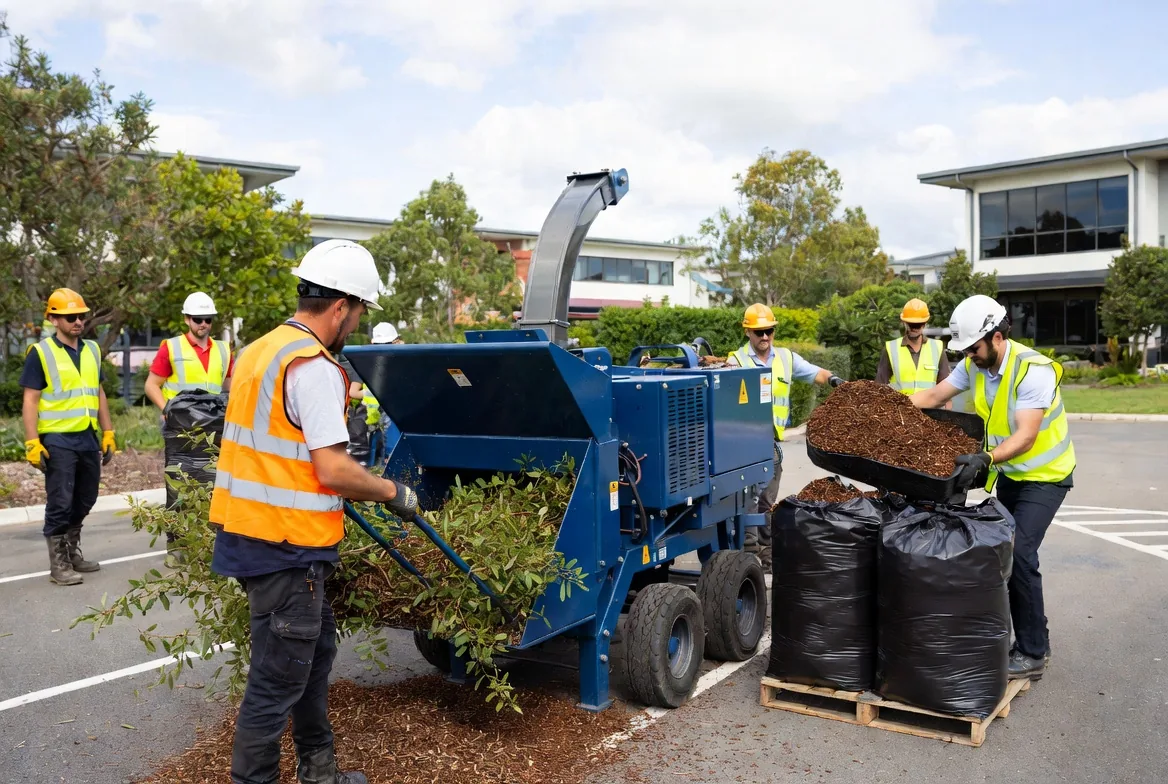
All prunings, limbs and stump grindings hauled off-site, leaving small suburban blocks clean with nothing left on the verge.
Learn more →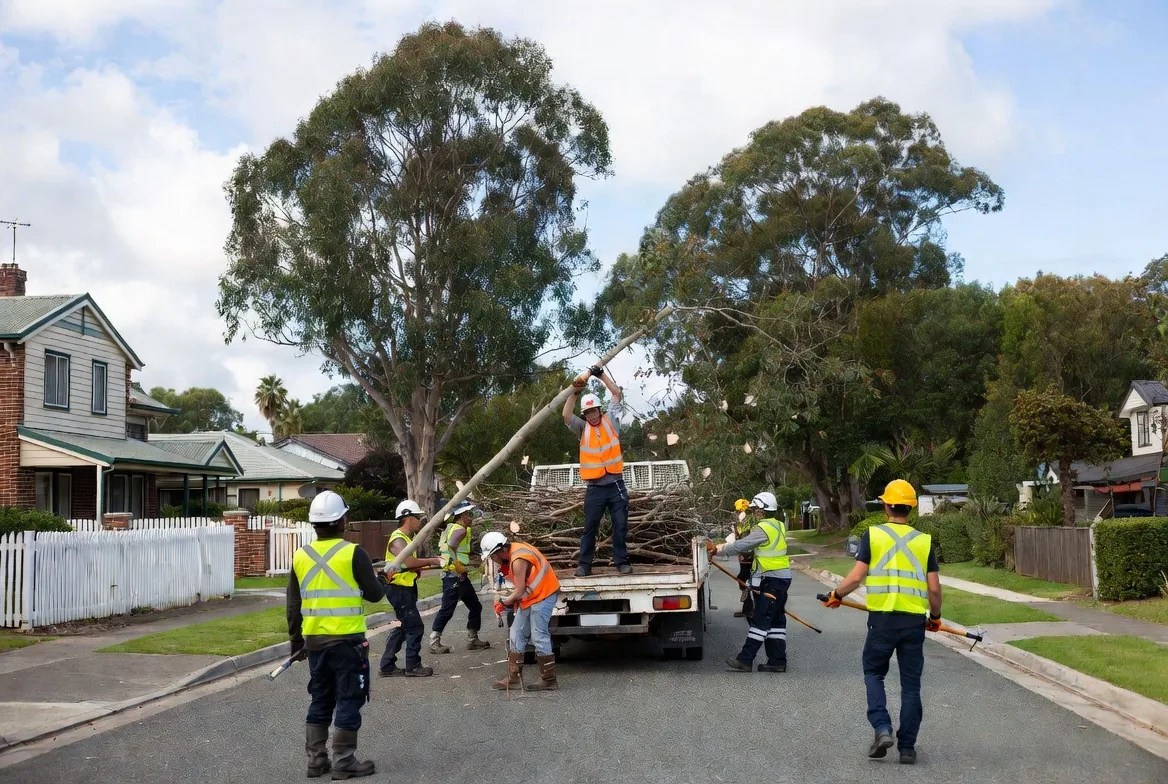
Height reduction on tall figs and pines close to homes, worked from crane or EWP where climbing access is too tight or too risky.
Learn more →Often yes. Shellharbour City Council's published guidance is that a Vegetation Removal Application is generally required for a tree over 5 metres tall or with a trunk over 30cm in diameter that stands more than 3 metres from a house wall. Smaller trees under those thresholds, and trees within 3 metres of a house wall with a trunk under 30cm, generally do not need one. Council also states the same rules apply to dead trees as to living ones, and that trees with nesting hollows need assessment regardless of size. Rules and thresholds change, so confirm your specific tree with Shellharbour City Council on (02) 4221 6111 before anything is cut.
Yes, and that is the normal situation on a Shellharbour block. Instead of felling, a climber or an elevated work platform works the tree from the top down. Limbs are tied off, cut, and lowered on rope under control rather than dropped. The trunk comes out in short rounds. The ground under the work is cleared and kept clear as a drop zone, and lawn, paving and pool edges are covered or matted. It is slower than felling, and it is the reason a tree between a pool and a colorbond fence can come out without touching either.
We ask every crew we work with to carry their own public liability cover, and we recommend you ask to see the current certificate of currency before work starts on your property. We are a referral service and we do not independently verify the insurance, licensing or qualifications of the crews we connect you with, so please make that check yourself. See our disclaimer for the full detail.